Nordic Initiative, Clean and Ethical is a joint
commitment from the Nordic Fashion Industry to
take a lead on social and environmental issues
Learn more about ethical and environmentally sound purchase, use and recyceling of clothes and other textiles.
consumer guideLearn more about ethical and environmentally sound production in the textile industry.
guide for professionals
True blue - jeans au natural?The ultimate wet dream for the jeans industry? The reality may be close at hand as farmers in Brazil are closing in on a naturally colored blue cotton, with ancient knowledge of pigmented cotton plants – for jeans.
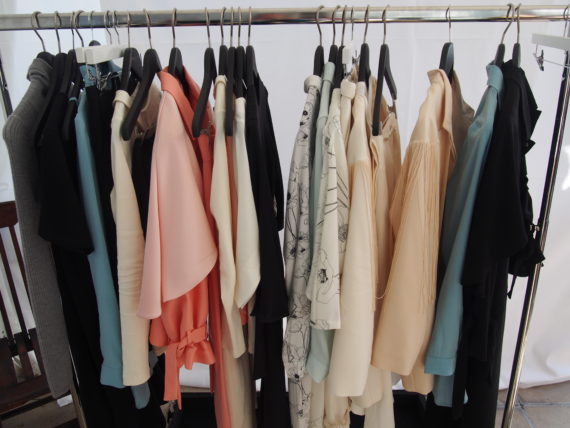
NICE fashion in MadridNordic fashion was on the agenda when Norwegian designer Camilla Bruerberg joined Danish David Andersen, Swedish Matilda Wendelboe and Finnish Tytti Thusberg showed tid-bits from their collections on the catwalk of the Swedish Embassy in Madrid in cooperation with the Nordic Fashion Association. The theme: Sustainable fashion.
NICE's 10-year planThe five Nordic countries have decided to collaborate on a 10-year plan for the fashion- and apparel industry. This is an ambitious plan with both short-term and long-term goals. The plan works within five areas that are critical for our planet, the people who live on it - but also make good economic sense. Doing the right thing is also good for profits. We hope this 10-year strategic plan of action will inspire, assist and motivate the fashion industry as well as related industries to integrate sustainability and social responsibility in their business processes and practices for the better of society.
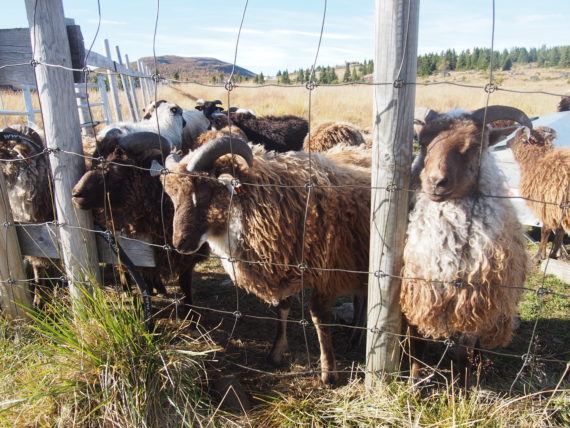
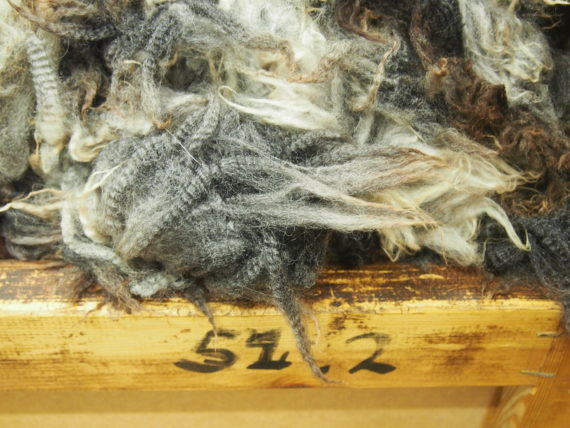
Wool ProjectWe've called the project "Valuing Norwegian Wool". Starting in March 2010, this project will be launched under SIFO, in cooperation with NICE, among others. The goal is to look at the whole lifecycle of wool, finding new an innovative approaches to bringing wool to the forefront in textiles again. Wool has been the central textile fibre in Norwegian (and Nordic) history and is still economically important to Norwegian farming, textile manufacturing, retailing and the garment/fashion industry. There is reason to believe that most consumers are unaware of the negative environmental impact of cotton production, as well as unfamiliar with the environmental benefits of wool – which imply a great and unexploited potential.
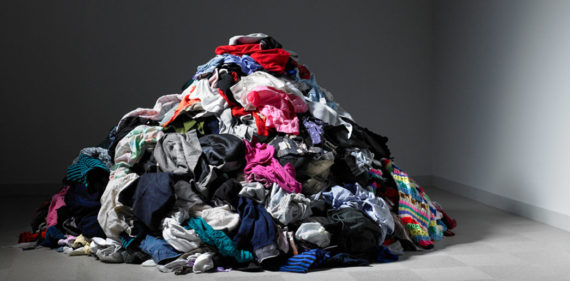
Textile waste as a resourceFrom textile waste to material resources in a grave to cradle perspective: How can a multidisciplinary approach to waste reduction contribute to reduce the material flow and turning waste into material resources? This is a project that aims to reverse the classical LCA and start with what we generally see as the end result. But the project also aims to take a deep look at the consumers' role in the life cycle of textiles and clothing, including how we care for what we buy.