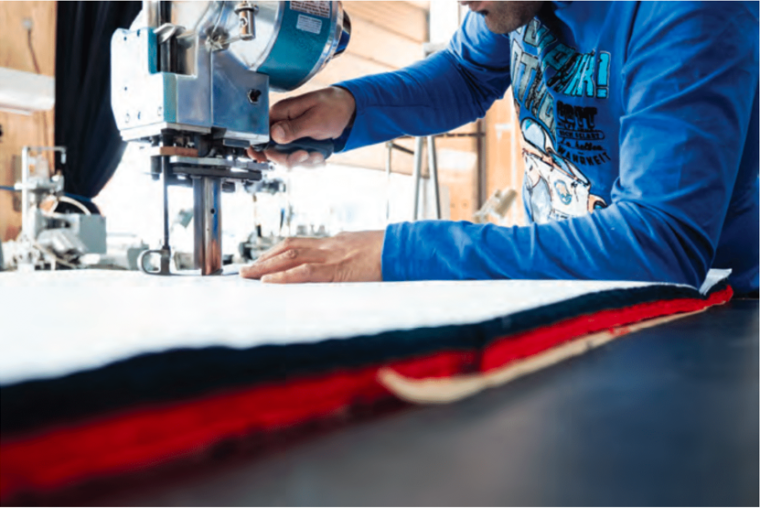
Make Works – Norway, Sweden and Denmark
The recent interest in the ‘origin of production’ has once again brought Nordic textile and garment production into play. This turn towards local production
Read Article
NICE stands for Nordic Initiative Clean & Ethical and has been a platform for a cooperation between the Nordic countries since 2008, when the Nordic Fashion

The Sustainable Fashion Academy (SFA), a founding member of NFA, has been advising, educating and training senior management and professionals from leading appa

This project is called KRUS, which means “crimp”, as Norwegian wool is known for its exceptional crimp (“bounce”), luster and durability. It has a sub-h
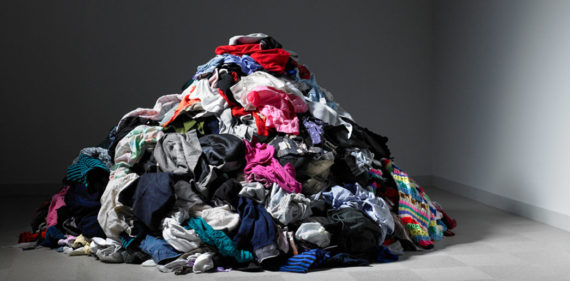
From textile waste to material resources in a grave to cradle perspective: How can a multidisciplinary approach to waste reduction contribute to reduce the mate
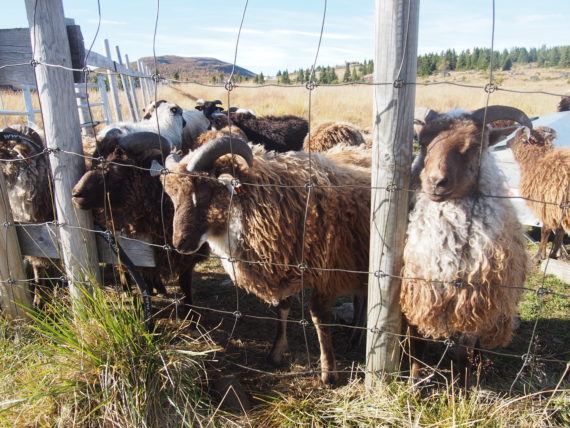
The Vikings’ textiles were technically superior, beautiful and functional. They decorated residences, ships and people, and kept them warm and dry. The tightl
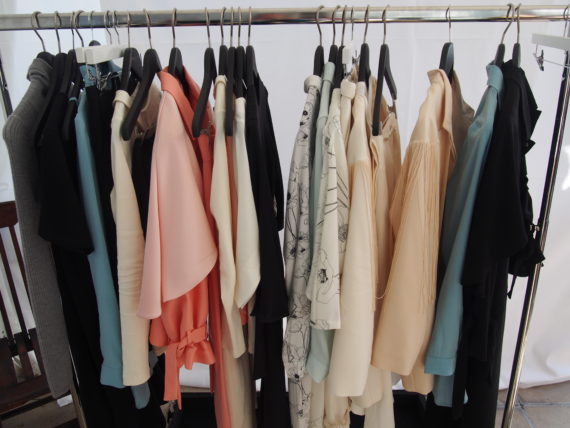
What role can consumers play in the process of transforming the fashion industry towards more sustainable business models? Well, that depends on how fashion and
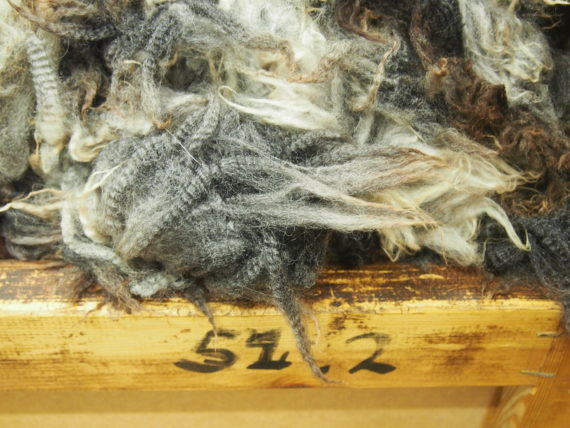
“Valuing Norwegian Wool” started in March 2010, and its goal was to look at the whole lifecycle of wool, finding new and innovative approaches to br