If we lower our washing temperature to 30 degrees, we can do a lot for the environment. Dryer energy use is typically 900 to 1000 kWh per year for an electric dryer, so think how much money you can save by taking some easy steps! But be careful with wool and silk!
Turn down the temperature on your washing machine, and you are turning down your CO2 emissions, while still getting the stains out and saving on your electricity bill.
It is all in the numbers – if enough of us make a simple and easy change, the effects will be enormous. Doing laundry is one of the most energy consuming processes in a household, but if you wash at 30°C or lower with a low-temperature detergent, you can save enough CO2 to make a real difference.
In Europe, alone, if every household turns its washing temperature down from 60 or 40°C to 30°C, we can actually save 12 million tons of CO2 a year – this corresponds to the annual emissions from three million cars.
Making Low Temperature Work For You
We would all like to help the environment but not at the cost of smelly and stained clothes. Fortunately, thanks to modern low-temperature washing detergents, clothes get clean at much lower temperatures than ever before.
That means that lowering the temperature of your wash gets you clean clothes, while saving you electricity and potentially saving all of us from millions of tons of CO2. With 70 to 80% of the energy usage of a washing machine coming from heating the water, this is one place where we are not just making a goodwill gesture but an actual difference.
When should you wash at 30°C?
When you also use a low-temperature detergent
When you are doing a normal wash, where the aim is to refresh and remove stains from your clothes
For all washes, except when you wash bedding, diapers, cleaning rags, etc.
When should you consider raising the wash temperature?
If someone in your household is sick with a contagious disease/infection
Wash at 60°C once a month to keep your washing machine clean
When you wash bedding, diapers, cleaning rags, etc.
Ten good washing tips to get optimal results:
Use a detergent suited for low-temperature wash
Keep the lid/door to your washing machine open between washes to avoid malodor in the machine
Wash full loads but do not overload
Wash at 60 °C once a month to keep machines clean
Follow the guidelines from the detergent manufacturer regarding proper use and dosing. Remember to dose according to the water hardness in your area
Make sure your washing machine spins your clothes at the right speed during the spin cycle, i.e. don’t spin at a low rate just because you are using a low temperature
Use short cycles for clothes that are not dirty but just need to be refreshed
Remove the wet laundry from the washing machine when the wash is finished. Avoid leaving wet clothes in the machine for too long
Clothes dryers are among the biggest energy hogs in a typical home. Line-drying clothes cuts the energy use down to zero, but who has time for that? Here's how you can line-dry clothes without extra work.
The key is to handle each item as little as possible. You can do that by hanging clothes on plastic hangers once, while they are wet. Once the clothes are dry, you just grab the batch and move it to a closet, without any of the folding, hanging or sorting that takes time when you take stuff out of a dryer. A drying rack can make socks and underwear even easier to dry.
People talk about about recovering the lost art of line-drying clothes the way our grandparents did it. But after experiencing modern convenience, it's hard to go back. In addition to saving energy, line drying has lots of other advantages. It can actually work better than a dryer for busy people, because you don't have to worry about being around when the dryer finishes to avoid clothes wrinkling. Clothes can last longer because they don't get overheated--this particularly helps preserve elastic. And rather than using detergents whose chemical scents try to mimic the fresh smell (or lack thereof) of line-dried clothes, you can have the real thing!
(Sources :I do 30, Lazy Line Dry)
Beware when washing wool
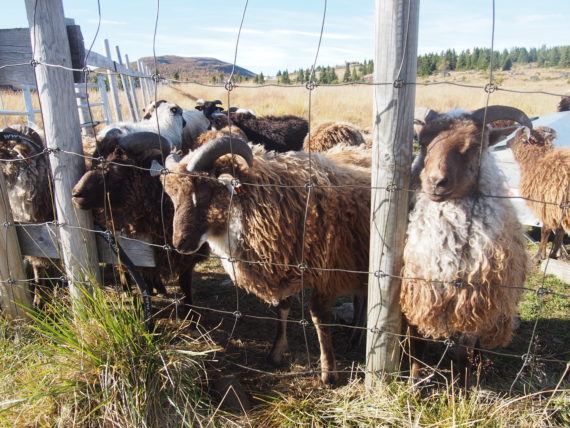
Advanced detergents play a role in low temperature removal of tricky stains but enzymes have also been used in laundry detergents for a long time. There is no such thing as a universal detergent formulation but they typically contain proteases to digest protein (food) stains, cellulases to digest grass stains and some have lipases for digesting fat. You have to use them with caution though: proteases can destroy wool and silk in a single wash and cellulases erode the strength of cellulose fibers (cotton, viscose, linen etc) each time they are washed. Proteases actually eat wool, it is their job! So putting “wool-eaters” in to detergents and not writing “do not use on wool” in big red letters all over the box, is irresponsible.
The reduced durability of merchandise as a result of increasingly strong biological detergents certainly undoes a lot of the over-hyped benefits of low temperature washing. If you use non biological detergent and old fashioned high temperatures at 60°C for whites and 40ºC for colors you can still have a good conscience – since your clothing will last longer and won’t need replacing.
(Source: Phil Patterson/Colour Connections)
Don't throw everything in the clothing hamper after one day's use.
Air your clothes rather than washing them, only wash clothes that are actually dirty.
Is a stain actually a catastrophy?
Some textiles we tend to wash more than others, typically we was cotton more often than other materials - so consider this when you shop!
Do not wash wool or silk with your all-round detergent.
Line-dry, avoid pre-wash and lower the wash-temperature!